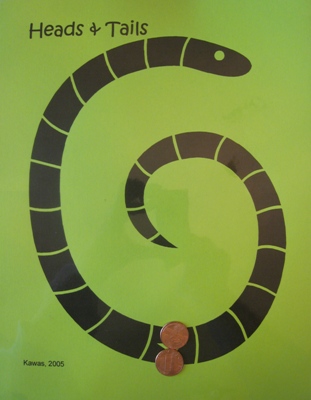
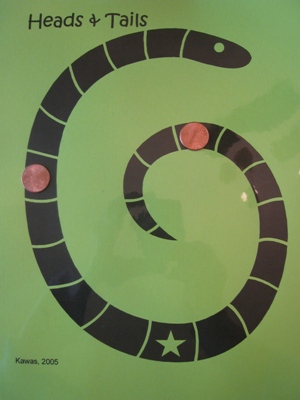
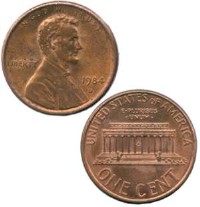
Explore the probability of a one-coin toss using the Heads and Tails Game. This is an easy game for young learners. All you need to play is the Heads and Tails gameboard, two coins for markers and another coin to flip. Use a coin toss to decide who will be heads and who will be tails. Then the fun begins!
PLAYING THE GAME:
Both players place their marker coins on the star on the snake. The player who is HEADS flips the coin first. If the flip is HEADS, the player moves his/her marker one space toward the head. If the flip is TAILS, the player doesn't move.
Next, the TAILS player, flips the coin, moves one space if it lands on TAILS, stays put if it comes up HEADS.
Play continues switching back and forth until one of the players' markers reaches the head of tail of the snake to win the game.
DISCUSSION:
Do both players have an equal chance of winning? Try keeping a record of several games to see if HEADS and TAILS really both win.
Does it matter who goes first? Sometimes let HEADS go first; other times, let TAILS go first.
Use a simple tally sheet to record whether HEADS or TAILS wins each game.
VARIATION:
EXTENDED PLAY OPTION: The HEADS player tosses the coin. If it comes up HEADS, the player moves the coin one space toward the head and tosses again. If it comes up TAILS, the player stops and does not move. The TAILS player now tosses the coin. If the toss comes up TAILS, the player moves the coin one space toward the tail and tosses again. The player continues as long as the toss comes up TAILS. The game continues until a player's marker reaches the HEAD or TAIL of the snake.
DISCUSSION:
Do both players still have an equal chance of winning?
Does the game go faster this way? Explain.
What was the longest move either HEADS or TAILS got on one turn?
MODIFICATIONS:
If young players have trouble tossing the coin, use a small container and let them drop the coin into the container.
OR place the coin in a small see-through container such as a clear plastic jar with lid. Players then simply shake the jar and place it down on the table on its lid. It's easy to see whether it landed on HEADS or TAILS without opening the jar.
Buy larger coins at the dollar store. Remember that these are not the same weight as real coins and any imperfections may affect the outcome of the games. This could prove an interesting investigation for older players. Are some coins HEADS-winning coins and others TAILS-winning coins or are they all fairly equal?